Profile
Rakhine State, formerly known as Arakan, has a long and rich history. For centuries, it was a powerful kingdom with its own culture, language, and independent rule. The Mrauk-U Kingdom (1429–1785) was the most prominent of these, known for its extensive trade with foreign merchants from the Middle East and Europe. At its height, the Mrauk-U Kingdom controlled parts of what are now Bangladesh and was a major maritime power. Its prosperity was built on a mix of trade, agriculture, and a strategic location on the Bay of Bengal.
Location
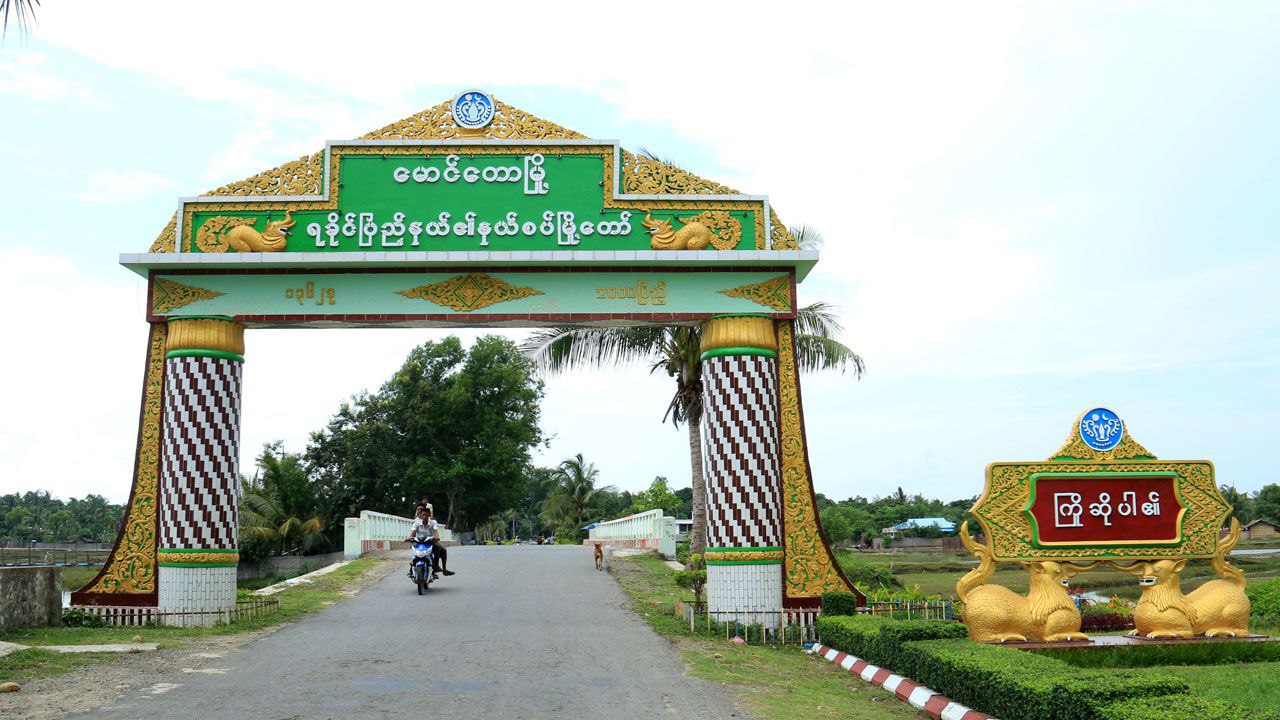
Rakhine State is Location of Rakhine Statesituated on the western coast of Myanmar. To the north, it shares a border with Chin State and Bangladesh. The Rakhine Yoma mountain range separates the state from Magway, Bago, and Ayeyarwady Regions to the east. The southern and western parts of the state are bordered by the Bay of Bengal.
Ancient Temples
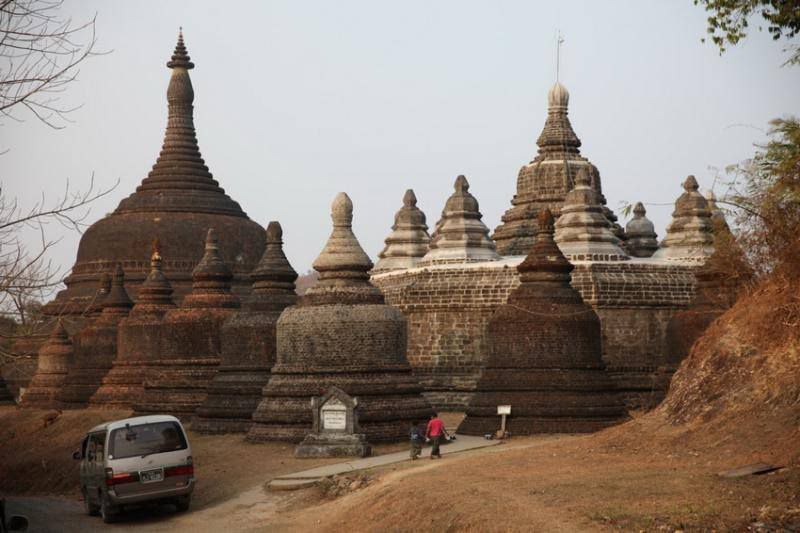
Mrauk U, once the last capital of the Rakhine Kingdom, is celebrated for its rich history, ancient temples, monasteries, and fortress walls. Key sites to explore include Shitthaung Temple, Koethaung Temple, Andawthein Temple, and Lemyethna Temple, all showcasing remarkable architecture. Another notable landmark is the Mahamuni Buddha Image in Kyauktaw Township, an important Buddhist heritage site admired for its craftsmanship, though the original image was later moved to Mandalay.
Ngapali
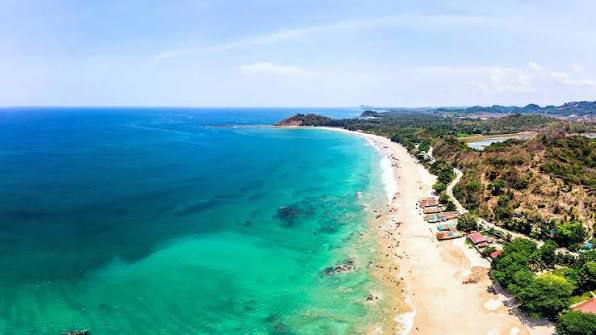
Thandwe, a historically significant town in Rakhine State, also serves as the main gateway to the famous Ngapali Beach. Ngapali is renowned for its pristine beauty, soft sandy shores, and crystal-clear waters. Visitors can enjoy swimming, relaxing under the sun, watching breathtaking sunsets, and savoring fresh seafood along the coast.
Culture and Tradition
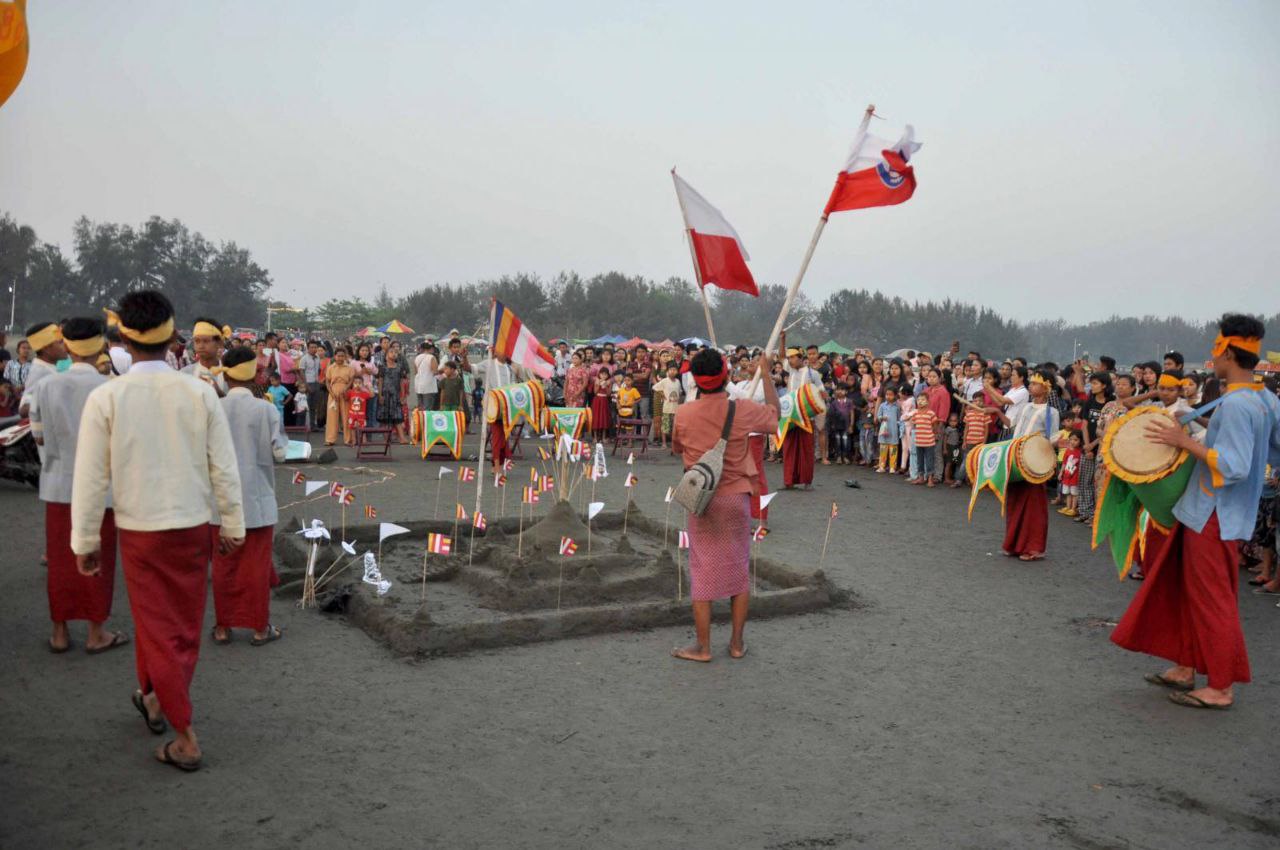
Rakhine Kyin is a traditional wrestling style that is a cherished sport and an important part of their culture.
Rakhine cuisine is known for its bold, spicy flavors, often using seafood and chili. Rakhine Mont Di is a famous rice noodle dish popular throughout Myanmar.
The majority of the Rakhine people are Theravada Buddhists. They also hold some traditional beliefs, such as nat worship, which often coexist with their Buddhist practices.
Traditional Dress
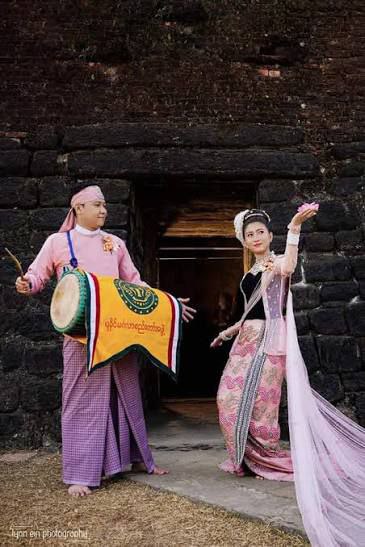
The Rakhine people are one of the four main Buddhist ethnic groups in Myanmar. Their culture shares many similarities with the Bamar culture but also shows a strong influence from India, likely due to their geographic isolation by the Arakan Mountains and their proximity to India. Rakhine men typically wear a longyi, a shirt, and a turban. Women wear a longyi with traditional designs and a blouse.