Profile
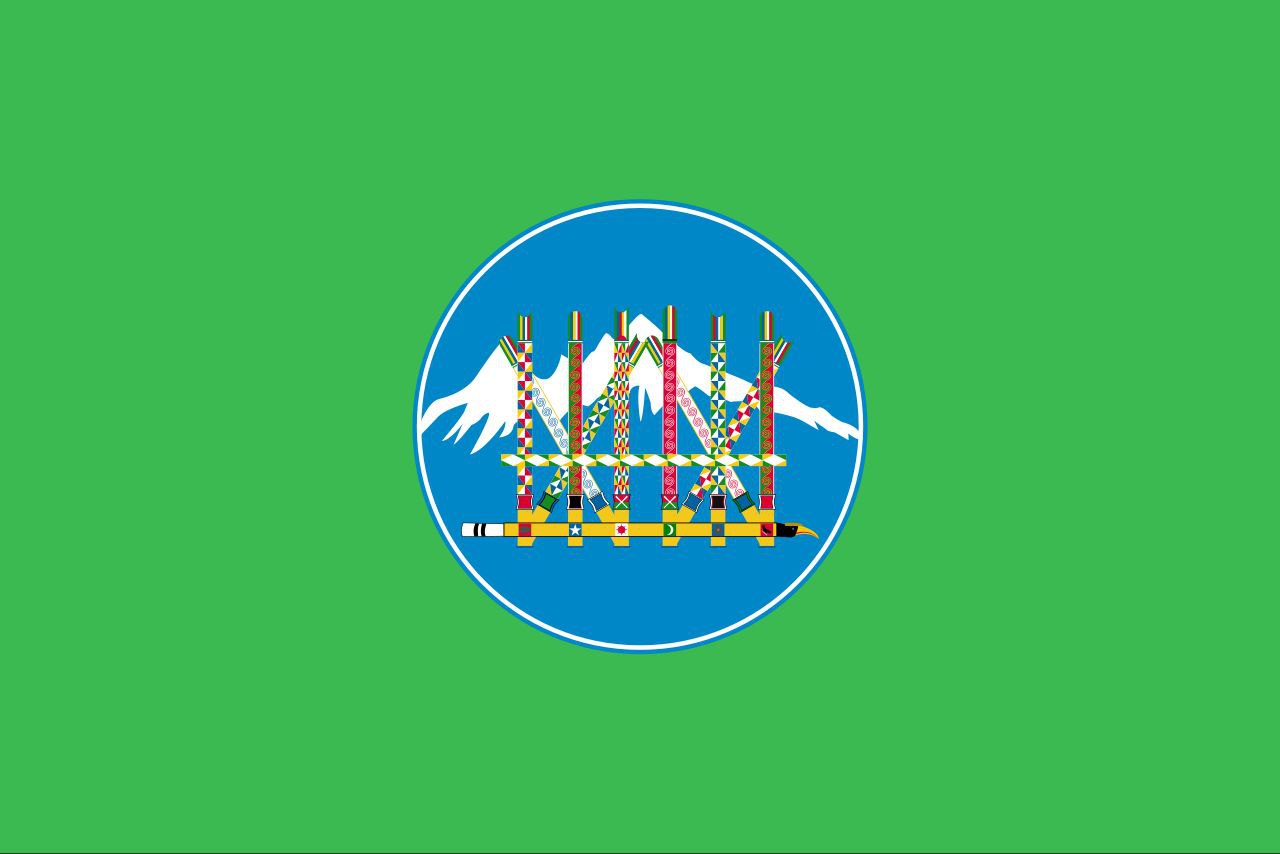
The Kachin, also known as Jinghpaw, are a diverse ethnic group that includes several subgroups such as Jinghpaw, Rawang, Lisu, Zaiwa, Lawngwaw (Maru), Lachid, and Hpun (Nung). Their population is estimated at around 1.6 to 1.7 million, both in Myanmar and abroad. The main language is Jinghpaw, but each subgroup also maintains its own language, while many Kachin people additionally speak Burmese and English. They are believed to have migrated from the Tibetan plateau into northern Myanmar centuries ago.
Location
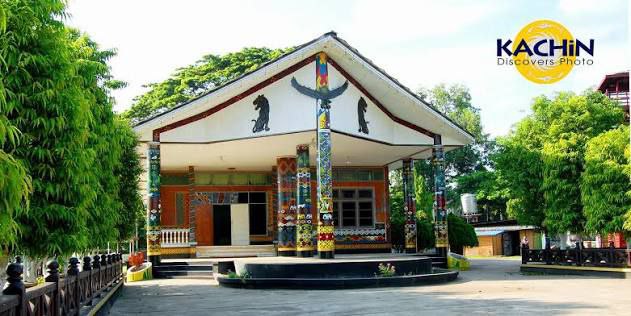
The Kachin people settled in the mountainous regions of Kachin State, maintaining clan-based societies.They primarily inhabit Kachin State in northern Myanmar, which borders both China and India. Major towns in the region include Myitkyina, the state capital, as well as Bhamo, Putao, and Hpakant. On a map, Kachin State can be highlighted to show its location in the far north of Myanmar.
Attraction
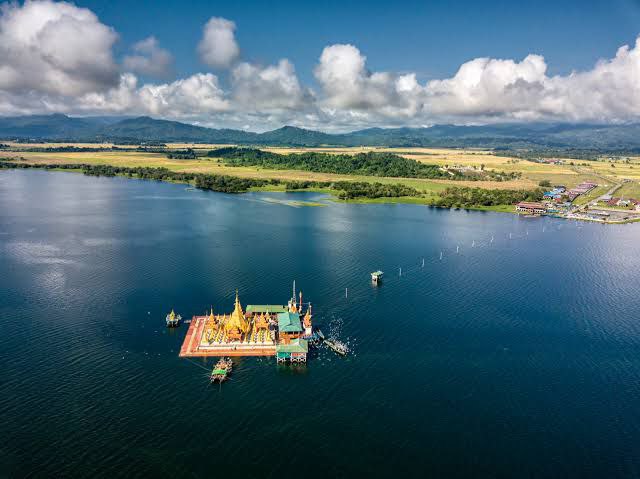
Notable tourist attractions in Kachin State include Indawgyi Lake, the largest inland lake in Myanmar; Putao, which serves as a gateway to snow-capped mountains; and the famous jade mines in Hpakant.
Culture and Traditions
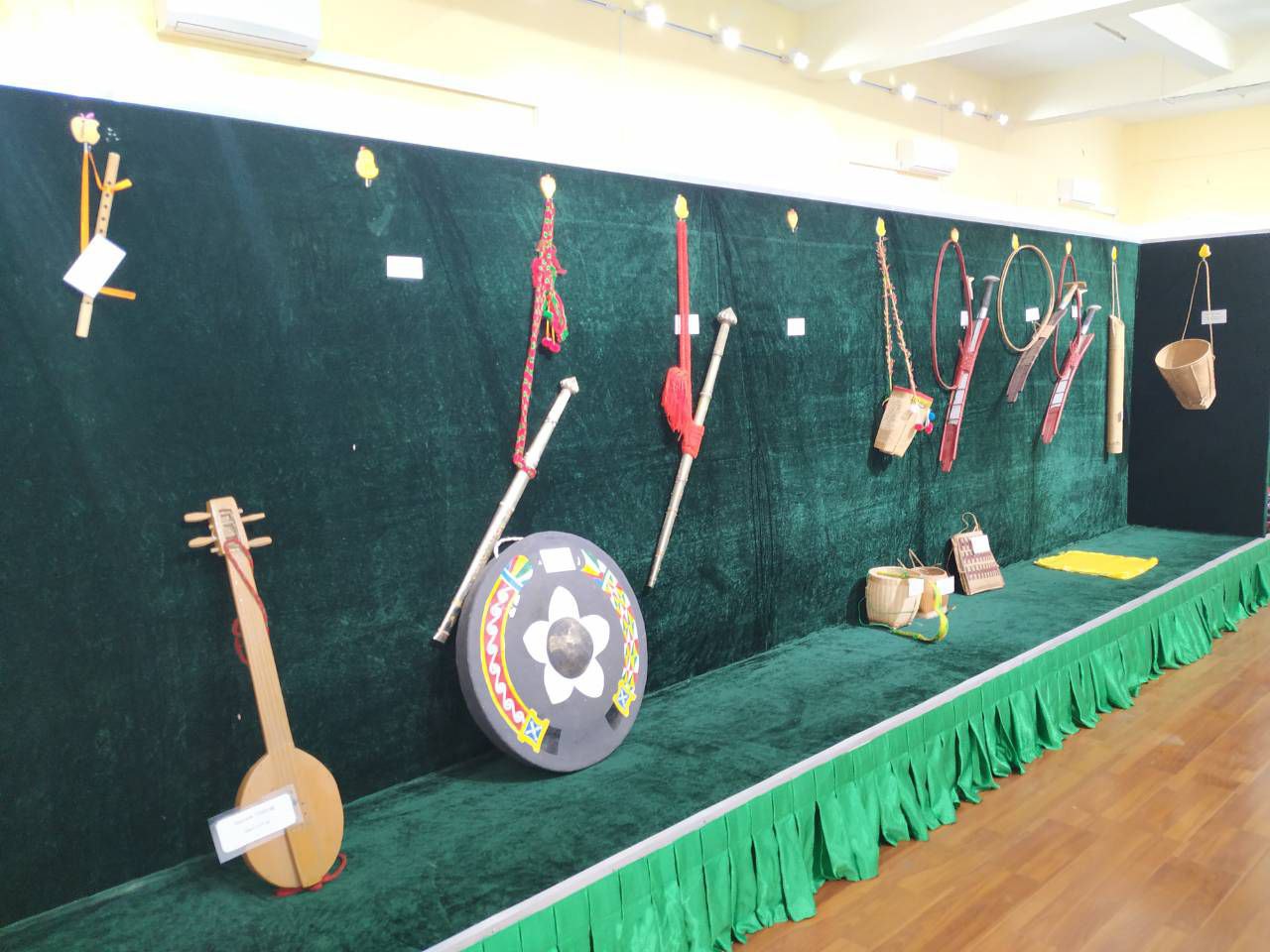
The Manau dance is the most famous, performed during the Manau Festival. It symbolizes unity and prosperity. Traditional instruments include drums, gongs, and flutes.
The main livelihoods of the Kachin people include farming rice, corn, and tea, with opium historically playing a role, as well as jade mining. Traditional Kachin houses are typically built from wood and bamboo, often raised on stilts, and roofed with thatch or tin. Traditional beliefs (animism) are still practiced, including worship of spirits (nats) and rituals for prosperity, fertility, and protection. Some practices blend with Christian faith.

Traditional Dress
Kachin women often wear bright jackets, striped skirts, and silver jewelry. Men wear traditional tunics, turbans, and swords (dah). Each subgroup has distinct designs. Skilled in weaving, sword-making, and silverwork. Traditional designs often feature symbolic patterns representing nature and clan identity.

Festival
The Kachin Manau Festival (January) is the largest cultural celebration, featuring ritual dances around tall decorated posts. It celebrates unity, harvest, and historical victories.